
DollarTabs vs. Kratom Powder: What Changes When You Make the Switch
There’s a predictable pattern in the kratom community. Someone uses powder for months, gets tired of the mess, the measuring, the bitter taste in everything, and starts looking at dollartabs as the obvious upgrade. Sometimes the switch is seamless. Sometimes it takes a few adjustments. Knowing the difference before you make the move saves the frustrating trial-and-error that most switchers go through.
This guide is for powder users considering dollartabs and for recent switchers trying to understand why the experience feels different. It covers what actually changes between the two formats, how to match a dollartab to your existing powder routine, and what to look for in a dollartab that will actually deliver consistent results.
-
12mg Nano 7OH Tablets – 100ct
$100.00Select options This product has multiple variants. The options may be chosen on the product page -
-
18mg 7OH Pink Strawberry
$90.00Select options This product has multiple variants. The options may be chosen on the product page -
20mg 7OH KEYLIME – 50ct
$100.00Select options This product has multiple variants. The options may be chosen on the product page -
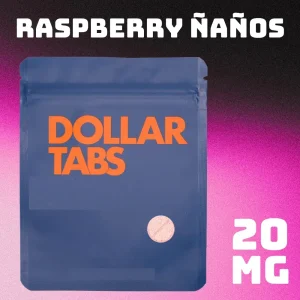
20mg 7OH Tablets – Raspberry ñaños
Price range: $140.00 through $280.00Select options This product has multiple variants. The options may be chosen on the product page -
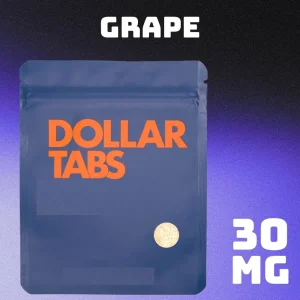
30mg 7OH Grape – 50ct
$150.00Select options This product has multiple variants. The options may be chosen on the product page -
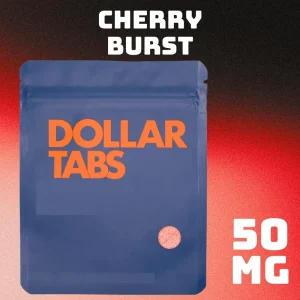
50mg 7OH Cherry Burst
Price range: $125.00 through $250.00Select options This product has multiple variants. The options may be chosen on the product page -
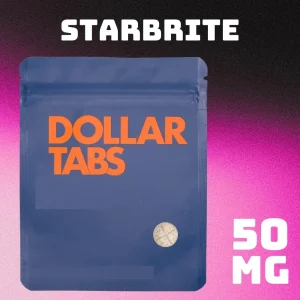
50mg 7OH Starbrite
Price range: $125.00 through $250.00Select options This product has multiple variants. The options may be chosen on the product page
Why Powder Users Move to DollarTabs
The decision to switch from powder to dollartabs almost always comes down to one of three frustrations. The first is convenience — measuring grams of powder at six in the morning before coffee is nobody’s favorite routine. The second is portability — a bag of kratom powder is not office-friendly. The third is taste — toss-and-wash or powder in juice has a flavor ceiling that most people hit eventually.
What dollartabs solve: pre-measured dose, no powder, no taste, pocket-sized. What they introduce: a slower onset, a different dissolution dynamic, and — depending on where you buy — a format that varies more in quality than bulk powder from an established vendor typically does. Understanding that tradeoff is the foundation of a successful switch.
What Stays the Same When You Switch to DollarTabs
- The alkaloid profile: A whole-leaf dollartab made from quality Mitragyna speciosa contains the same alkaloids as quality powder: mitragynine (60–70% of alkaloids), speciogynine, paynantheine, and speciociliatine. The compounds don’t change — only the delivery form.
- Vein color effects: A red vein dollartab produces the same body-forward, relaxing character as red vein powder. White vein dollartabs still lean toward energy and focus. The format doesn’t alter the strain properties.
- Tolerance dynamics: Your existing tolerance applies. If two grams of powder was your effective dose, one or two dollartabs of equivalent whole-leaf content should track similarly — with the key variable being the mg per unit and whether the formula is plain leaf or extract.
-
12mg Nano 7OH Tablets – 100ct
$100.00Select options This product has multiple variants. The options may be chosen on the product page -
-
18mg 7OH Pink Strawberry
$90.00Select options This product has multiple variants. The options may be chosen on the product page -
20mg 7OH KEYLIME – 50ct
$100.00Select options This product has multiple variants. The options may be chosen on the product page -
20mg 7OH Tablets – Raspberry ñaños
Price range: $140.00 through $280.00Select options This product has multiple variants. The options may be chosen on the product page -
30mg 7OH Grape – 50ct
$150.00Select options This product has multiple variants. The options may be chosen on the product page -
50mg 7OH Cherry Burst
Price range: $125.00 through $250.00Select options This product has multiple variants. The options may be chosen on the product page -
50mg 7OH Starbrite
Price range: $125.00 through $250.00Select options This product has multiple variants. The options may be chosen on the product page
What Actually Changes: The Dissolution Factor
The biggest practical adjustment when switching to dollartabs is onset timing. Powder mixed in liquid disperses and begins absorbing within minutes. A compressed dollartab has to physically break down in the stomach first. On an empty stomach, expect 30–50 minutes. On a full stomach, closer to 60–75 minutes.
This is the most common source of over-dosing during the switch. A powder user accustomed to feeling effects at the 20-minute mark reaches the 40-minute mark with a dollartab and assumes it’s not working — then takes another. By the time both dissolve, the dose is double what was intended. The adjustment is purely behavioral: wait longer before evaluating any dollartab dose.
Matching Your Powder Dose to a DollarTab Equivalent
- If your powder dose is 2–3 grams: Start with one standard 500–700mg whole-leaf dollartab and assess after a full hour. The milligram number is lower but the bioavailability may be higher from a compressed tablet than from toss-and-wash.
- If your powder dose is 4–5 grams: Two to three dollartabs in the 500–700mg range is a reasonable starting equivalent. Apply the same 60-minute evaluation window.
- If you used extract powder: Move to extract-enhanced dollartabs rather than whole-leaf equivalents. Plain-leaf dollartabs will feel weaker than extract powder at any equivalent milligram count.
Switcher Experience
“I moved from plain powder to dollartabs after a year of toss-and-wash. The first week I kept re-dosing too early because I expected powder timing. Once I committed to a 60-minute window and dialed in the right mg count per dollartab, it was actually more consistent than my powder routine had been. Lab testing made the difference — I knew exactly what I was getting.” — Kratom Science forum, 2024
Finding a DollarTab That Matches Your Powder Standard
The quality bar for kratom powder from established vendors is high — particularly among buyers who have spent time with bulk suppliers. Dollartabs from equivalent-quality sources meet that standard. These are the signals to look for:
- Declared milligrams per dollartab: Any quality dollartab states the exact mg of kratom material per unit. This is what allows powder-to-tablet dosage translation.
- Batch COA with mitragynine percentage: The alkaloid percentage on the COA lets you directly compare a dollartab to your powder baseline. A dollartab with 1.3% mitragynine per gram and a powder with 1.3% per gram are roughly equivalent in alkaloid content per gram of material.
- AKA GMP certification: The American Kratom Association‘s manufacturing standard applies to tablet production just as it does to powder. GMP-certified dollartab vendors — including Kraken Kratom, Phytoextractum, and Happy Hippo Herbals — maintain the batch consistency that powder buyers expect.
- Community verification: Long-term threads on r/kratom and Kratom Science track user experiences with specific dollartab products across batches. Consistency of results over time is the real proof of a quality source.
Conclusion: Five Things Every Powder-to-DollarTab Switcher Should Know
The switch from powder to dollartabs is straightforward once you account for the differences that actually matter:
- Expect a slower onset. Compressed dollartabs dissolve more slowly than powder. A 60-minute evaluation window prevents most early-switch overdosing mistakes.
- Match mg to your powder dose. Use the declared milligrams per dollartab and the COA alkaloid percentage to translate your existing dose rather than guessing.
- Distinguish plain-leaf from extract dollartabs. If you used extract powder, plain-leaf dollartabs will feel weaker. Match formula type, not just milligram count.
- Require a COA with alkaloid data. The percentage comparison between your powder baseline and a new dollartab is only possible if the COA shows mitragynine content.
- Source from vendors with powder-level accountability. The best dollartab vendors maintain the same testing and transparency standards you’d expect from a quality powder supplier. AKA GMP certification is the floor.
The dollartab format earns its place for former powder users who want the same alkaloid profile in a format that actually fits into daily life. The five adjustments above are everything it takes to make that work.